
Georgia Southern faculty and doctoral student featured on most recent top 2% of scientists list
Eight active faculty members and one doctoral student from Georgia Southern University were featured on Stanford and Elsevier’s 2026 list of the top 2% of scientists in the world. This annual list features scientists whose work has had the highest citation count and citation impact in their fields within a given year.
Those recognized from Georgia Southern span multiple disciplines, including physics, sports science, engineering and more. Several have also been featured on lists in previous years.
Vice President for Research and Innovation David Weindorf, Ph.D., P.G., is among the faculty named, and is pleased to see a student represented alongside faculty.
“This year’s list proves that our research enterprise has been and continues to be on an upward trajectory,” he said. “Seeing a student recognized is especially gratifying and shows that top-tier research at Georgia Southern isn’t just limited to faculty.”
The complete list of current Georgia Southern affiliates includes the following:
José A. Jiménez, Ph.D., Assistant Professor, Department of Biochemistry, Chemistry and Physics, College of Science and Mathematics
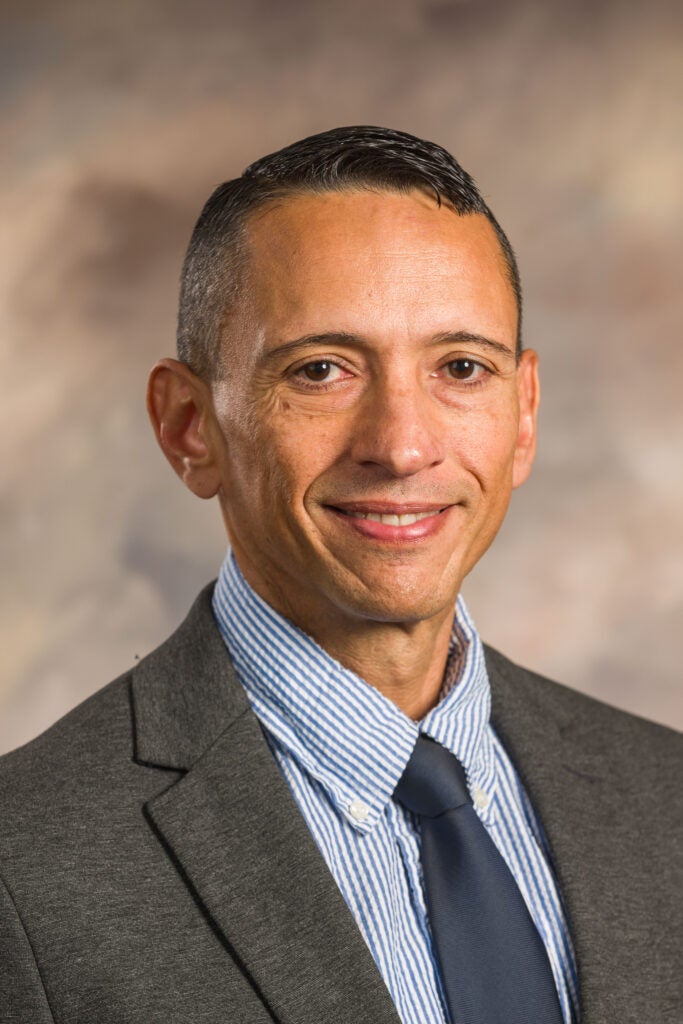
“My research interests are mainly in glass science, nanomaterials, optical materials, thin films and energy-relevant materials such as solar cells and Li-ion batteries,” Jiménez noted. “I’m passionate about learning through experimentation and gaining insights into the physical principles that explain material properties.” Read more about Jimenez’ research.
Dmitry Apanaskevich, Ph.D., Professor, the US National Tick Collection, the James H. Oliver Jr. Institute for Coastal Plain Science, and Department of Biology, College of Science and Mathematics
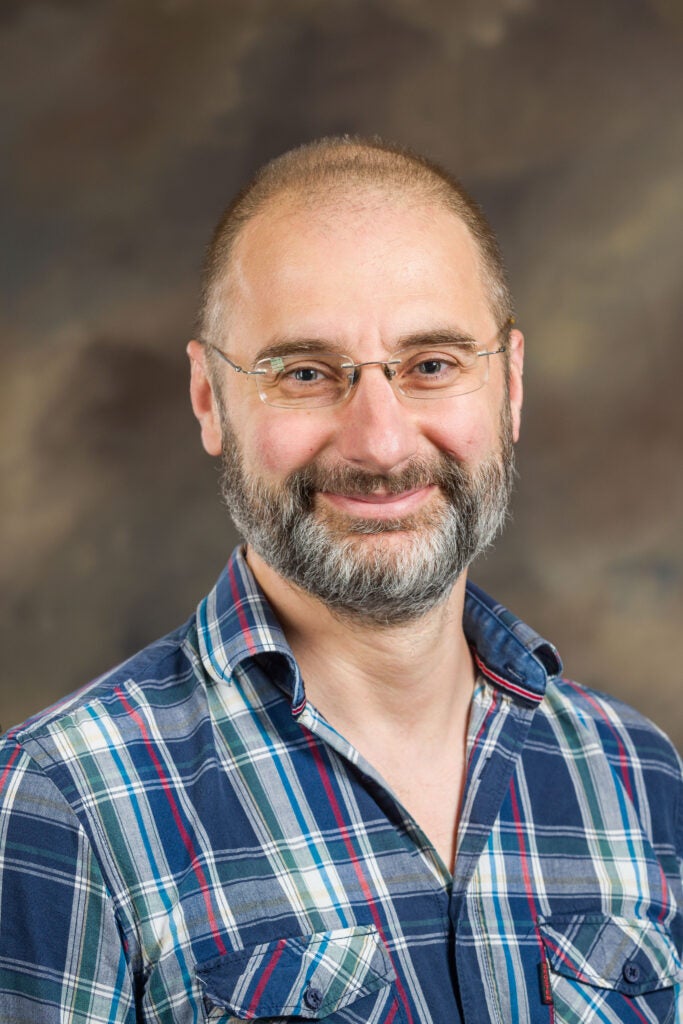
“My major research interest is the systematics of hard ticks (family Ixodidae),” Apanaskevich said. “This includes their taxonomy, phylogenetics, host-parasite relationships and geographic distribution. I love discovering new species and solving complex, often confusing questions along the way. That’s what drives my passion.” Read more about Apanaskevich’s research.
Adam Bossler, Ph.D., Professor of Criminal Justice and Criminology, College of Behavioral and Social Sciences
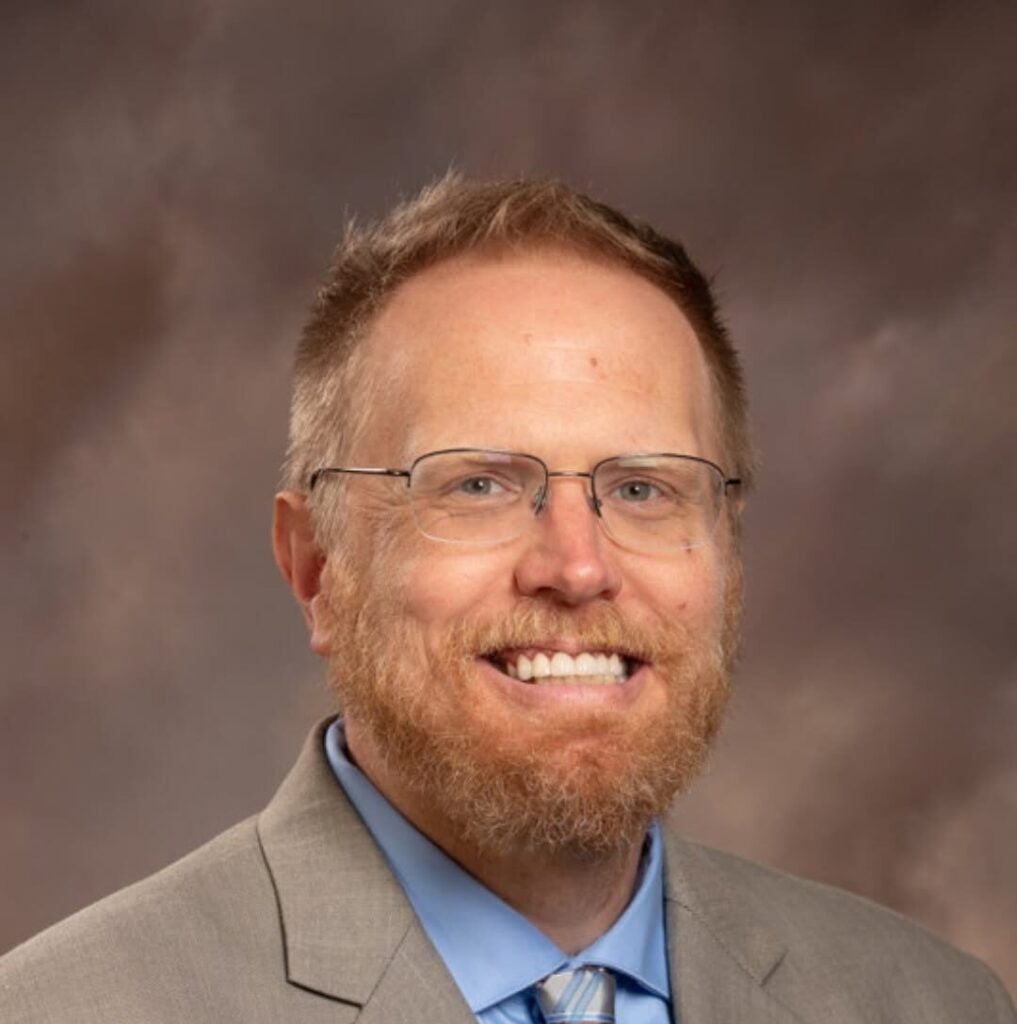
Bossler teaches undergraduate and graduate courses in cybercrime, policing, and criminal behavior. His research focuses on applying traditional criminological theories to cybercrime offending and victimization and the law enforcement response to cybercrime. Some of his work has been sponsored by the National Science Foundation, Bureau of Justice Assistance, UK Home Office, and the City of Savannah. In addition to over 40 peer-reviewed articles and book chapters, he has co-authored three books, as well as a popular cybercrime textbook. Read more about Bossler’s research interests.
Isaac Chun-Hai Fung, Ph.D., Professor, Department of Biostatistics, Epidemiology and Environmental Health Sciences, Jiann-Ping Hsu College of Public Health
“It is my great privilege to work with a network of excellent students, colleagues and collaborators,” Fung said. “We study how to mitigate the impact of epidemics on human societies and harness the advances of digital technologies to promote health.” Read more about Fung’s research.
Bryan Riemann, Ph.D., Professor, Department of Health Sciences & Kinesiology, Waters College of Health Professions
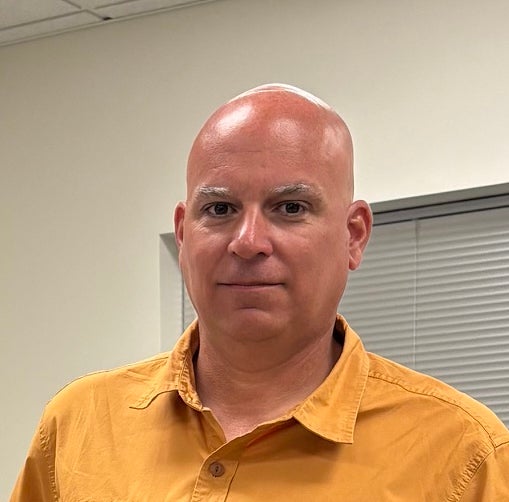
“My research examines how biomechanical and neuromuscular factors shape human movement, with the goal of improving performance and developing more effective approaches for injury prevention and rehabilitation,” Riemann explained. “This work spans diverse populations, including both trained and untrained, across the lifespan.” Read more about Riemann’s Research.
Hossein Taheri, Ph.D., Associate Professor, Department of Manufacturing Engineering, Allen E. Paulson College of Engineering and Computing
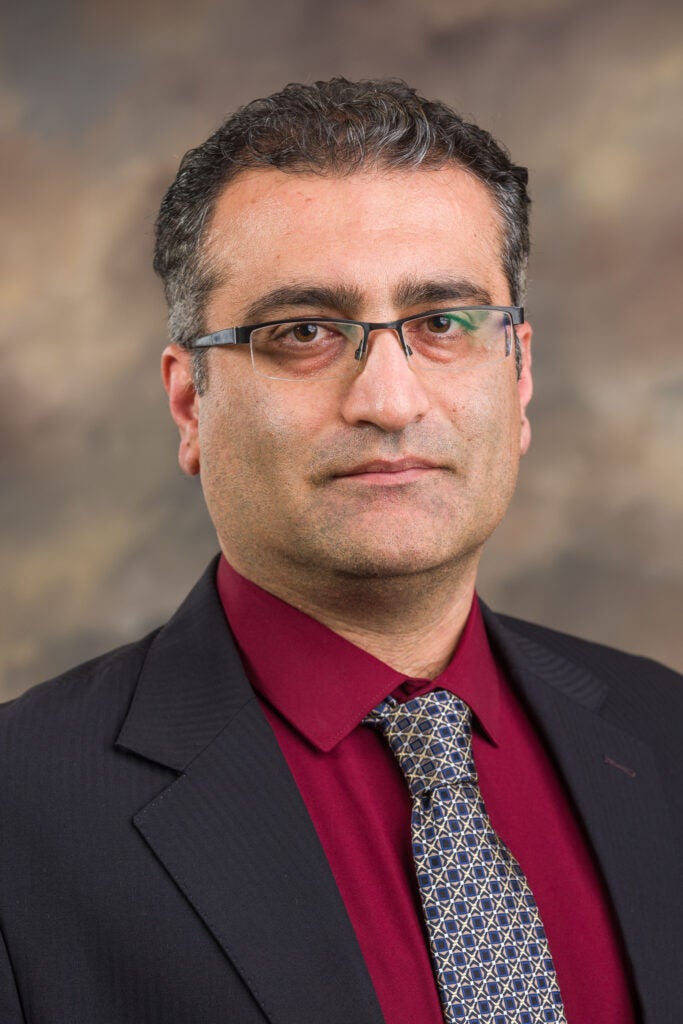
“My research integrates nondestructive testing and evaluation, advanced sensing, artificial intelligence, and robotics to improve the quality, reliability, and sustainability of manufactured materials and engineered systems, with applications in advanced manufacturing, transportation infrastructure, and structural health monitoring,” Taheri said. Read more about Taheri’s research.
Masoud Davari, Ph.D., Interim Associate Dean for Research, Allen E. Paulson College of Engineering and Computing, and Associate Professor, Department of Electrical and Computer Engineering
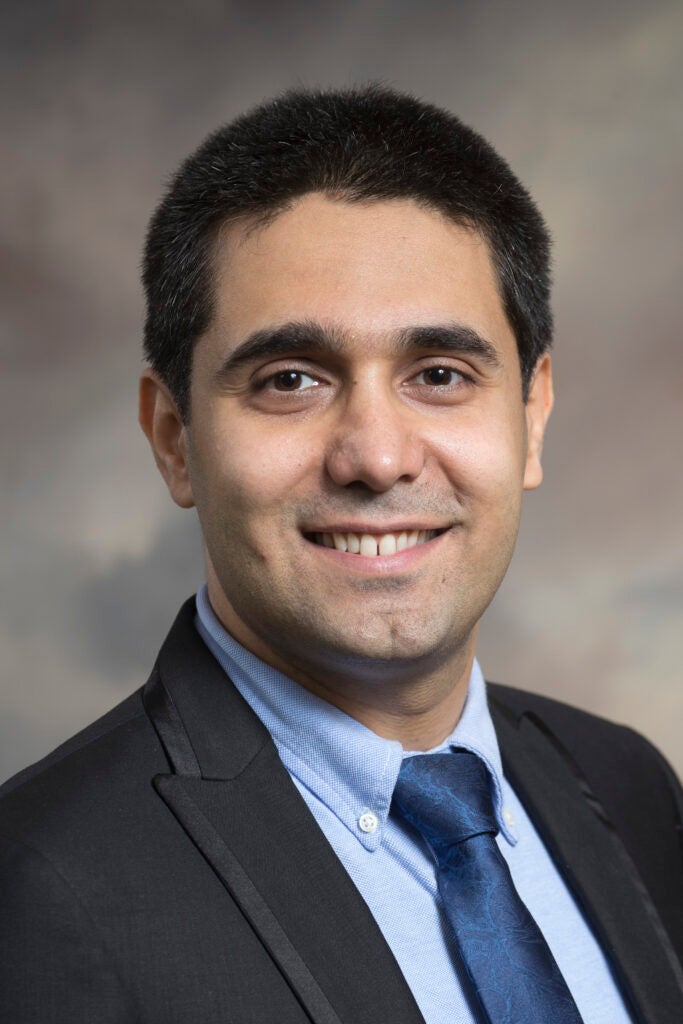
“I’m passionate about innovating power and energy systems by integrating advanced technologies into them,” Davari shared. “My research focuses on designing control methodologies based on artificial intelligence and reinforcement learning to enhance performance under challenging conditions and on developing resilient-by-design systems to strengthen their cybersecurity. The United States National Science Foundation has continuously supported this research through four projects totaling nearly $1.2 million.” Read more about Davari’s research.
Shakil Ahmed, Ph.D. student, Department of Civil Engineering and Construction, Allen E. Paulson College of Engineering and Computing
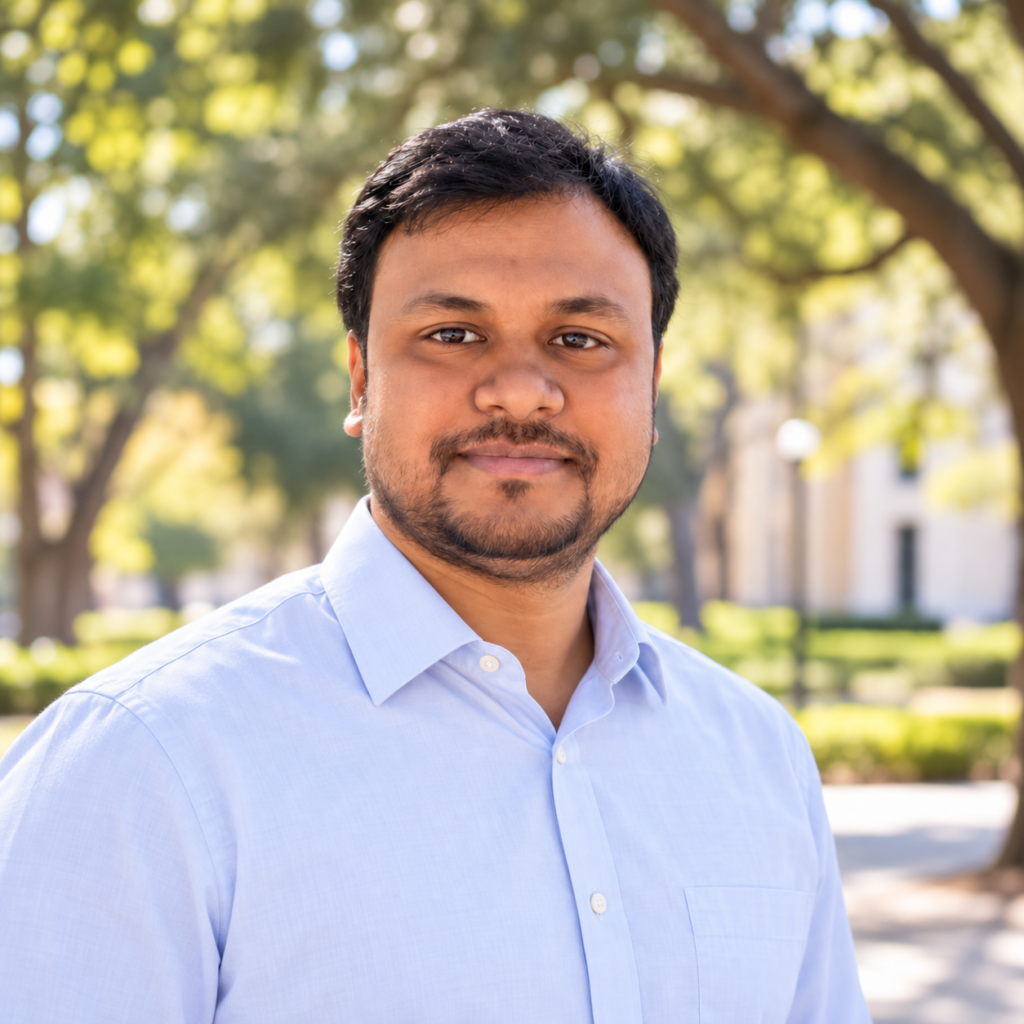
“I completed my master’s and am now pursuing my Ph.D. in Civil Engineering and Construction at Georgia Southern,” Shakil said. “My research focuses on advancing the inspection and monitoring of civil infrastructure, mainly highway and transportation assets, using remote sensing, robotics, extended reality and digital twins. I’ve also been involved in two Georgia Department of Transportation (GDOT) projects on remote sensing and non-destructive inspection and monitoring of highway infrastructure. My ultimate goal is to make infrastructure inspection safer, more efficient and more reliable through innovative, data-driven technologies.” Read more about Ahmed’s research.
David Weindorf, Ph.D, P.G., Vice President for Research and Innovation
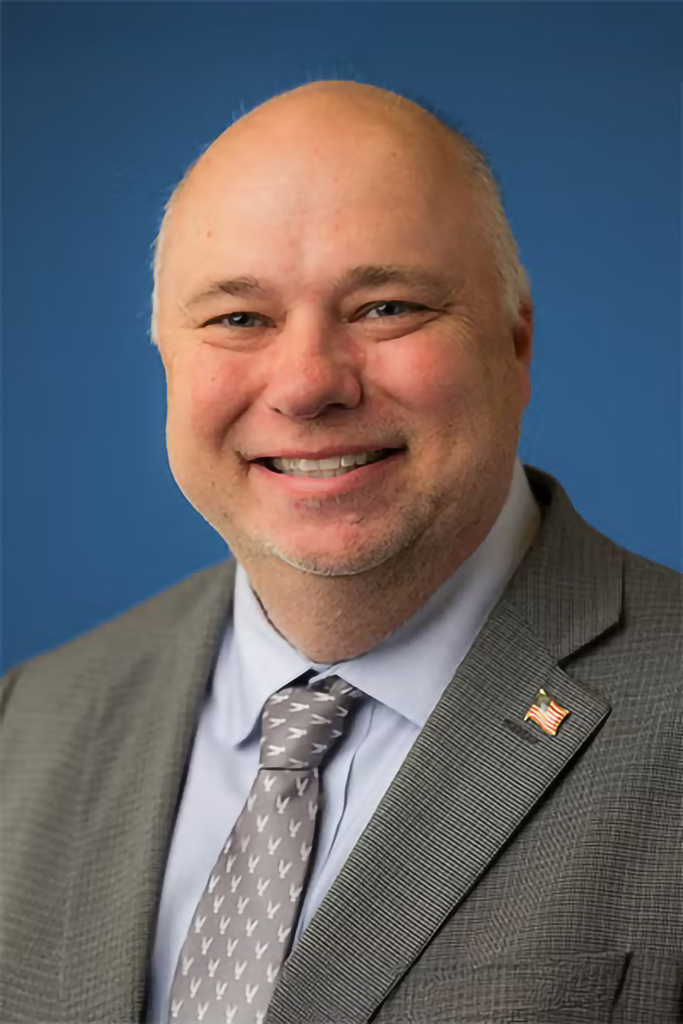
“I study and classify soils to better understand how we can use and protect them,” Weindorf said. “My research centers on proximal and remote sensors for soil characterization, from taxonomic classification to environmental soil science and disaster response, and I’ve been fortunate to work with wonderful students and collaborators around the world.” What drives me is helping people help the land, because a healthy world starts with healthy soil.” His work includes more than 250 peer-reviewed publications and five licensed patents, particularly in portable X-ray fluorescence analysis of soils. Read more about Weindorf’s research.