Archived Stories from the College
Browse archived stories from the College of Science and Mathematics, including student and faculty accomplishments, research activity, department initiatives, events and academic opportunities. These stories highlight the work, achievements and opportunities that have shaped our college community.
University-wide announcements and major institutional stories are featured in the Georgia Southern University Newsroom.
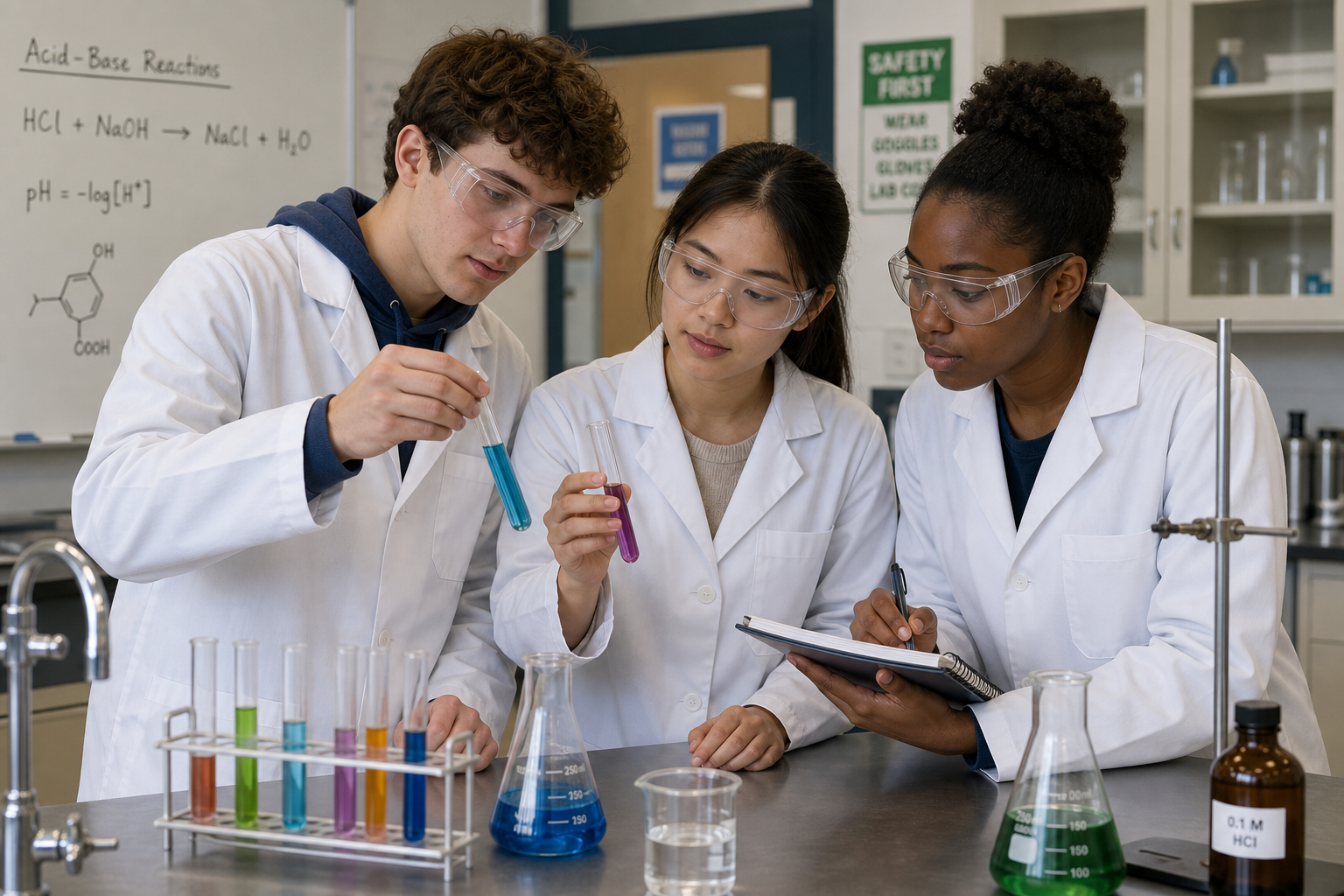
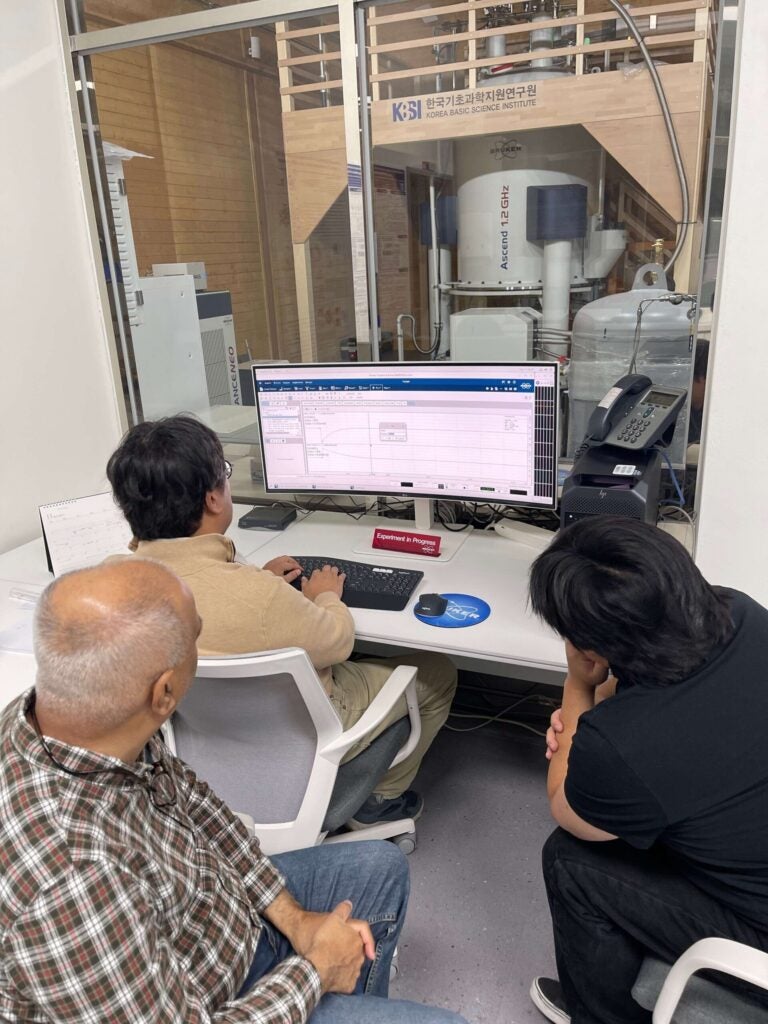
Students in an upper-level chemistry course are gaining experience with advanced instrumentation commonly used in environmental testing, pharmaceutical research, materials science and laboratory analysis.
The lab sequence introduces students to tools and techniques that go beyond introductory coursework. Students learn how to prepare samples, operate equipment, review results and evaluate the accuracy of their findings.
Faculty members developed the course to help students better understand how chemistry is practiced in research and professional laboratory settings. The experience allows students to connect theory with practical methods while building confidence in technical procedures.
The course also emphasizes lab safety, documentation and scientific communication. Students are expected to keep detailed records, interpret data and explain their findings through written reports and class discussion.
For students preparing for graduate programs, medical and professional schools or careers in industry, the course provides meaningful exposure to the expectations of modern laboratory work.
Through experiences like this, the College of Science and Mathematics continues to help students build the skills needed for success in scientific and technical fields.
Students in the Department of Biology are building research skills through a summer field lab focused on local ecosystems, field sampling and environmental data collection.
The course gives students the opportunity to move beyond the classroom and apply scientific concepts in real-world settings. Throughout the lab experience, students collect samples, record observations, analyze environmental conditions and discuss how biological systems respond to changes in their surroundings.
Faculty members designed the experience to help students strengthen technical skills while also building confidence in field-based research methods. For many students, the course serves as an introduction to the type of hands-on work they may encounter in graduate school, conservation work, environmental science or laboratory careers.
The field lab also emphasizes teamwork and communication. Students work in small groups to compare findings, troubleshoot methods and present their observations to classmates.
By connecting classroom instruction with applied research, the course reflects the College of Science and Mathematics’ commitment to preparing students for careers that require critical thinking, scientific curiosity and practical experience.

Students in the Department of Mathematical Sciences are using data analysis to support real-world projects through the Statistical Consulting Unit.
The unit gives students the opportunity to work with campus and community partners who need help organizing, interpreting or visualizing data. Under faculty guidance, students assist with projects that may include survey results, research datasets, operational reports or public-facing data summaries.
The experience helps students understand how statistics is used outside of textbooks and exams. Rather than working with simplified examples, students are asked to evaluate real datasets, identify useful questions and communicate findings in ways that are clear to non-specialist audiences.
Faculty members say the consulting model gives students valuable practice in both technical and professional skills. Students learn how to ask better questions, explain their process, create visualizations and present recommendations based on evidence.
For students interested in careers in analytics, research, public health, business, government or graduate study, the experience provides a strong foundation in applied problem-solving.
The Statistical Consulting Unit continues to serve as a bridge between classroom learning and meaningful data work across Georgia Southern.
Georgia Southern University’s College of Science and Mathematics has launched a new Bachelor of Science in Biomedical Sciences, giving students a focused pathway for careers in health care, research, biotechnology and graduate or professional study.
The new program is designed for students interested in understanding the science behind human health and disease. Coursework will draw from biology, chemistry, anatomy, physiology, genetics, microbiology and related fields, helping students build a strong foundation in the life sciences while exploring how scientific discovery connects to patient care and public health.
Faculty developed the program with pre-health and research-minded students in mind. Students will have opportunities to strengthen laboratory skills, engage with faculty mentors and prepare for next steps such as medical school, physician assistant programs, dental school, pharmacy school, graduate research programs and careers in biomedical or clinical laboratory settings.
The curriculum also emphasizes applied learning. Through lab-based coursework, undergraduate research and career-focused advising, students will be encouraged to connect classroom knowledge with real-world questions in medicine and science.
The program expands the college’s growing portfolio of science degrees and reflects Georgia Southern’s commitment to preparing students for high-demand careers in health, research and technology.
Students interested in the B.S. in Biomedical Sciences can learn more through the College of Science and Mathematics advising office.