
Local
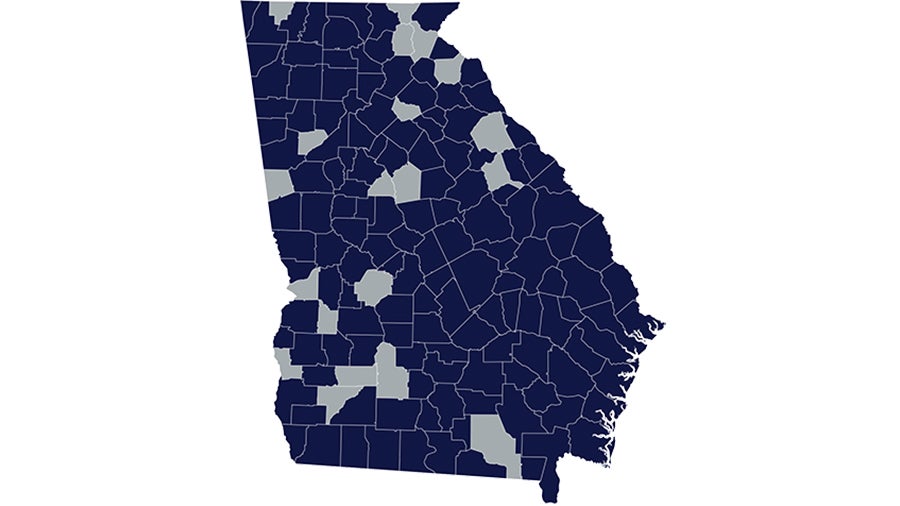
“Local” begins right outside our door in Statesboro and extends across the entire state of Georgia. In just four years, we’ve completed work in 139 of Georgia’s 159 counties.
Featured Projects: Georgia
Care Stations—secure, vending machine–style health kiosks—are successfully implemented in Statesboro and Vidalia, Georgia, providing 24/7 access to affordable, confidential health and personal care products.
Currently focused on human health, Care Stations have the potential to expand access to animal health products like waste disposal bags as well as plant and environmental health products like wildflower seed packets.
Supported by OSHA’s Susan Harwood Training Grant Program, IHLA designed and implemented training for Georgia college and high school students on infectious and zoonotic diseases in the workplace, employing a collaborative One Health approach with local institutions. Training focused on disease recognition, prevention, and workplace preparedness.
Current infectious and zoonotic disease control strategies often react rather than prevent. Understanding barriers to implementing controls and protective protocols is crucial. Our transdisciplinary programs equipped students with occupational health and safety skills, enhancing preparedness for future outbreaks.
When tasked with mapping health assets across 18 rural Georgia counties, IHLA expanded the definition of what “health” means. Using a One Health approach, we identified not only traditional healthcare services, but also the broader systems that support well-being—green spaces, food access, veterinary care, transportation, and more.
By working directly with local leaders and residents, we developed county-specific reports, workforce recommendations, and practical tools communities can use to strengthen health outcomes.
Read more about our published work here.
Through two focused initiatives—supporting justice-involved individuals and empowering libraries as community harm reduction resource hubs—IHLA is helping reduce opioid overdose deaths in rural Georgia.
Building on insights from CHRP, this work goes beyond traditional harm reduction by addressing the full range of needs that impact health, including housing, employment, education, and access to care—for both people and their animals.
IHLA initiated the formation of the Georgia One Health Consortium, bringing together universities, state agencies, and community organizations. This network collaborates across disciplines to address complex health challenges through coordinated, systems-level, transdisciplinary solutions.
In September 2025, IHLA hosted the first Georgia One Health Symposium, bringing leaders from across the state to our Statesboro campus for two days of workshops, networking, and planning.
National
IHLA’s One Health approach is making an impact across the United States.
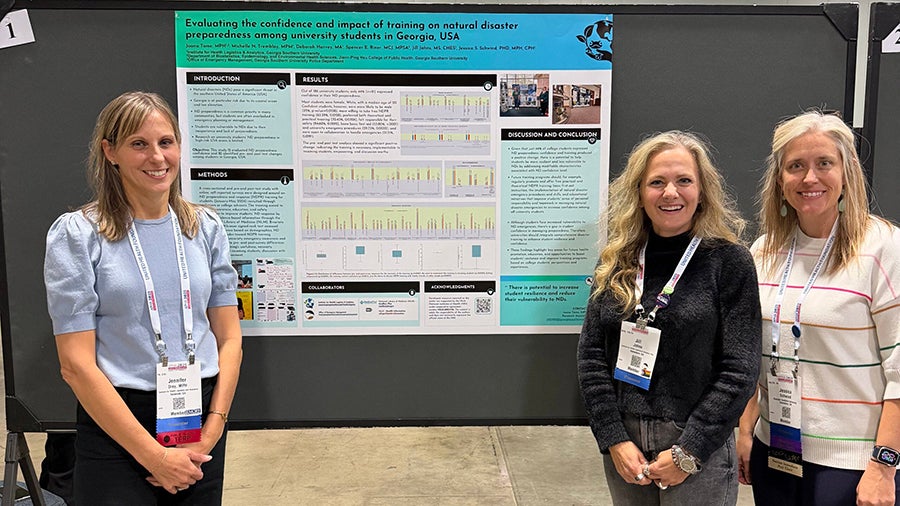
- IHLA team members regularly engage in cross-sector initiatives advancing One Health principles through participation in the Health Commission
- IHLA team members have maintained active leadership within the American Public Health Association (APHA) and within the One Health Section
- Ongoing contributions through presentations, research, and national collaboration
Global
IHLA’s work extends beyond borders, contributing to global conversations and solutions in One Health.
- Collaborations and initiatives in Ireland
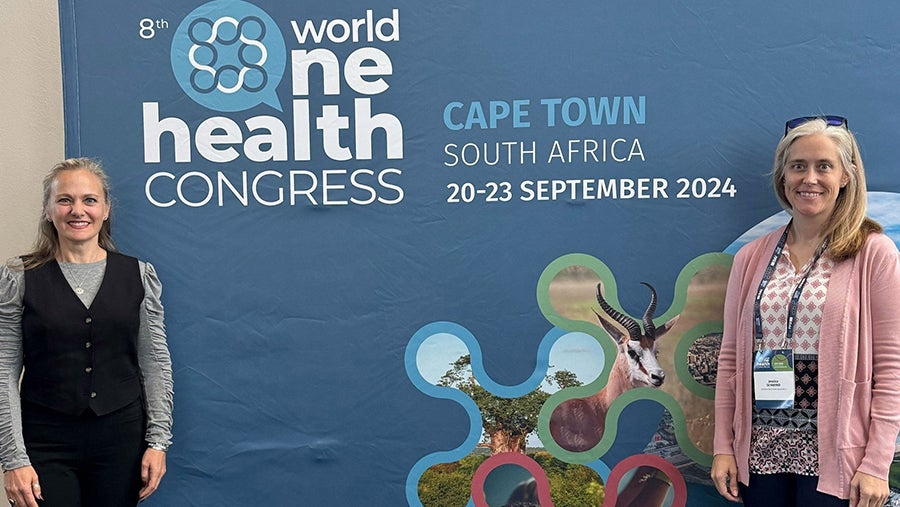
- Regular participation in the World One Health Congress
- Ongoing work in Nepal in One Health surveillance, digital disease detection, and emergency response
- Coming soon: Artificial intelligence work grounded in One Health through a partnership with PubHealth Futures
Special Section
Explore Our Work in Ireland
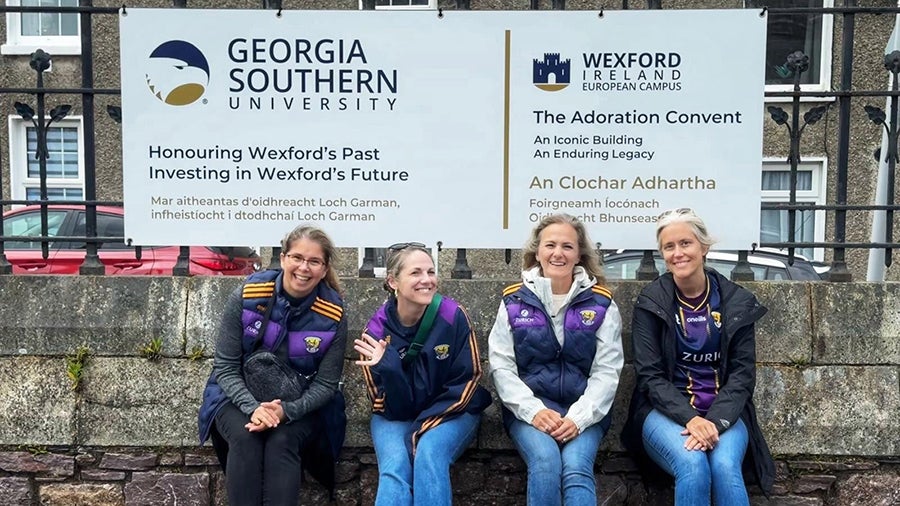
Ireland has been a key partner in advancing IHLA’s global One Health approach—providing opportunities to collaborate, share knowledge, and apply integrated health strategies in new contexts due to Georgia Southern’s campus in County Wexford.
Project Highlights
In County Wexford—home to agricultural, coastal, and ecologically diverse communities—understanding how residents perceive and practice One Health principles is essential to designing effective interventions. This pilot study aimed to assess baseline community knowledge, attitudes, and practices (KAP) related to One Health in Wexford and to use findings to guide community-driven action, youth engagement, and policy-relevant programming.
Baseline KAP data in Wexford reveal both knowledge gaps and strong community readiness to engage in One Health action.
University College of Dublin (UCD) One Health Conference 2025:
- Keynote dialogue: One Health Perspectives from the US and Ireland, led by Dr. Jessica Smith Schwind. Exploring transatlantic perspectives on implementing One Health across systems.
- Provocative panel: The Challenges of Integrating One Health into Policy with Dr. Patricia Reilly, Prof. Thilo Kroll and Jill Johns, IHLA Project Manager. A candid discussion on bridging research, policy, and political realities.