Addiction Recovery Research
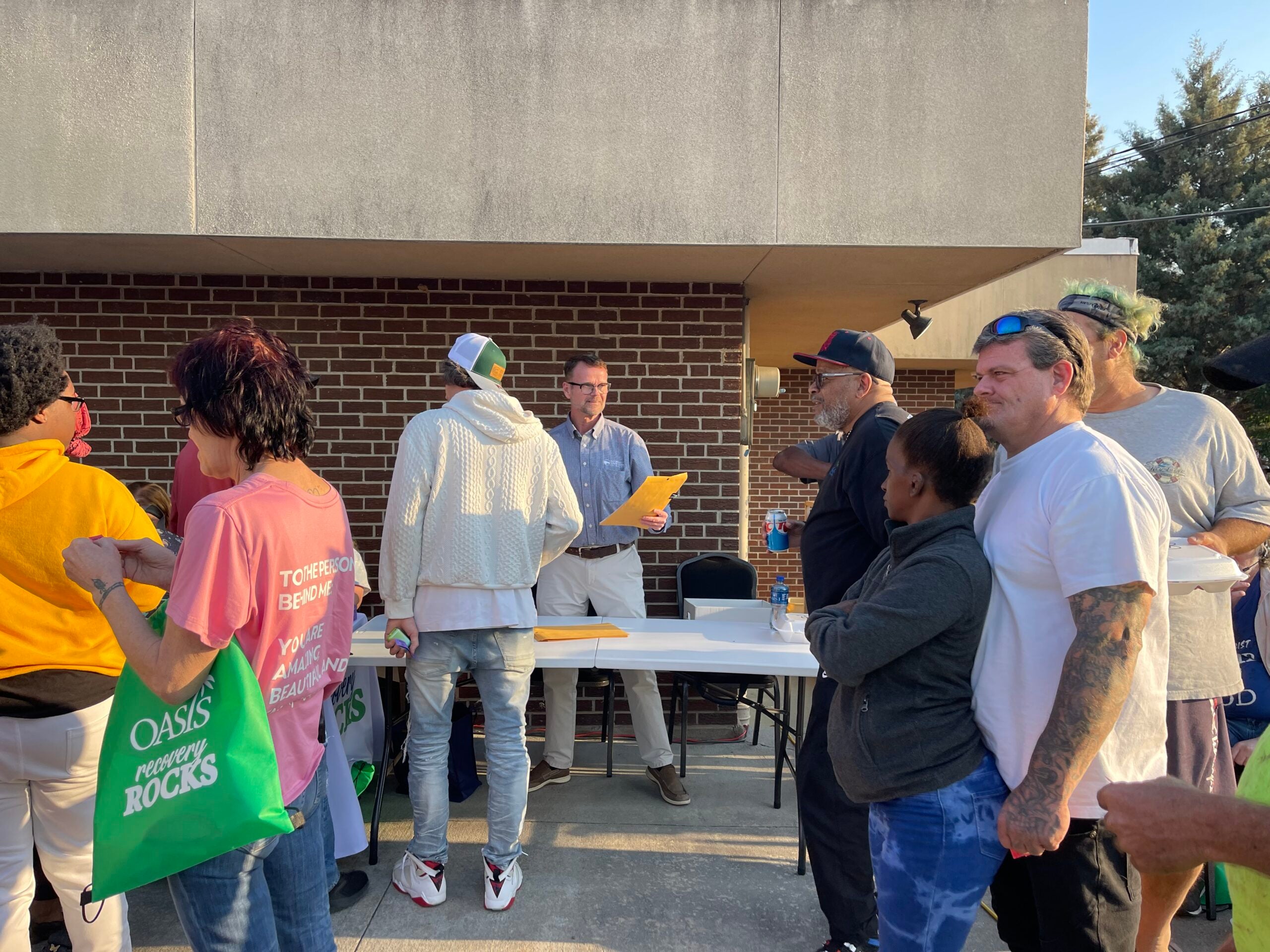
The Center for Addiction Recovery leads a wide range of research and applied projects that span the full continuum of care – including prevention, harm reduction, treatment and recovery. Supported by federal, state and private foundation funding, our work reflects a commitment to collaboration, innovation and real‑world impact.
Since 2024, CAR has secured more than $1.5 million in funding to advance projects that strengthen communities, inform policy, and improve outcomes for individuals and families affected by substance use and addiction.
The Georgia Recovery-Ready Workplace (GROW) Initiative
GROW is a two-year project led by Dr. Rob Bohler and funded by the Foundation for Opioid Response Efforts. GROW officially launches Georgia’s version of a recovery-friendly workplace (RFW) initiative. It aims to expand employment opportunities for individuals in recovery while helping employers across Georgia build supportive, stigma‑free workplaces that address addiction and promote overall well‑being. GROW uses a two‑pronged strategy that focuses on linking peers to meaningful employment at local recovery community organizations through an employment specialist and training ten large employers to become designated as RFWs.
Learn More About The GROW Initiative
The Current & Future State of Harm Reduction in Georgia
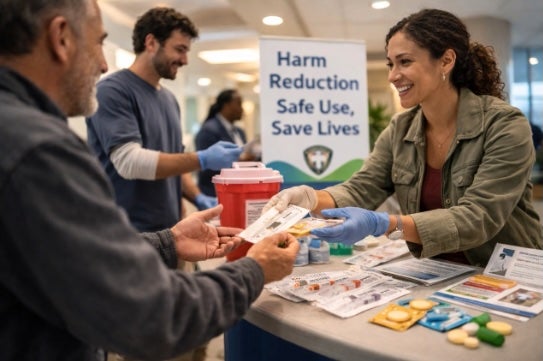
Led by Dr. Rob Bohler and funded by Georgia’s Opioid Crisis Abatement Trust, this is a one-year research project that uses a multimodal approach – including an environmental scan, legal analysis, surveys and focus groups – to assess Georgia’s harm reduction infrastructure and better understand the state’s harm reduction workforce. The team will produce a comprehensive report with recommendations to sustain, expand and enhance harm reduction services in Georgia.
Operational Training & Education for Recovery Community Organizations (RCOs) in Georgia
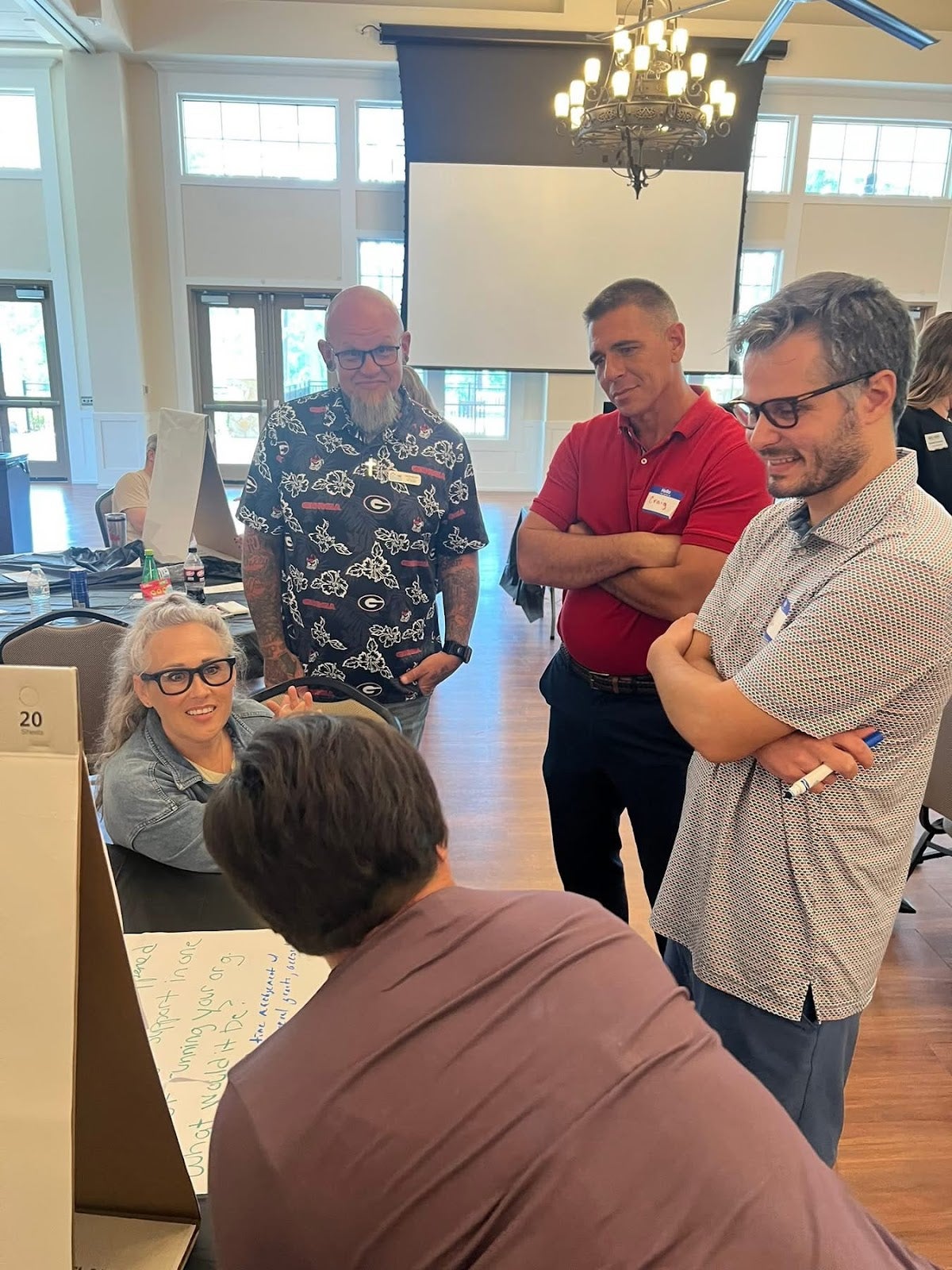
Led by Dr. Ryan Lofaro and funded by Georgia’s Opioid Crisis Abatement Trust, this 18-month project aims to enhance the effectiveness and long-term sustainability of Georgia’s RCOs. The project utilizes surveys and interviews with RCO directors to assess organizational needs and challenges, then provides comprehensive training and technical assistance to strengthen operational management capacity across Georgia’s RCO’s. The team delivers workshops and develops resources on topics including strategic planning, financial sustainability, program development and organizational governance, among others.
Georgia’s Opioid Crisis
Strengthening the Role of Critical Access Hospitals
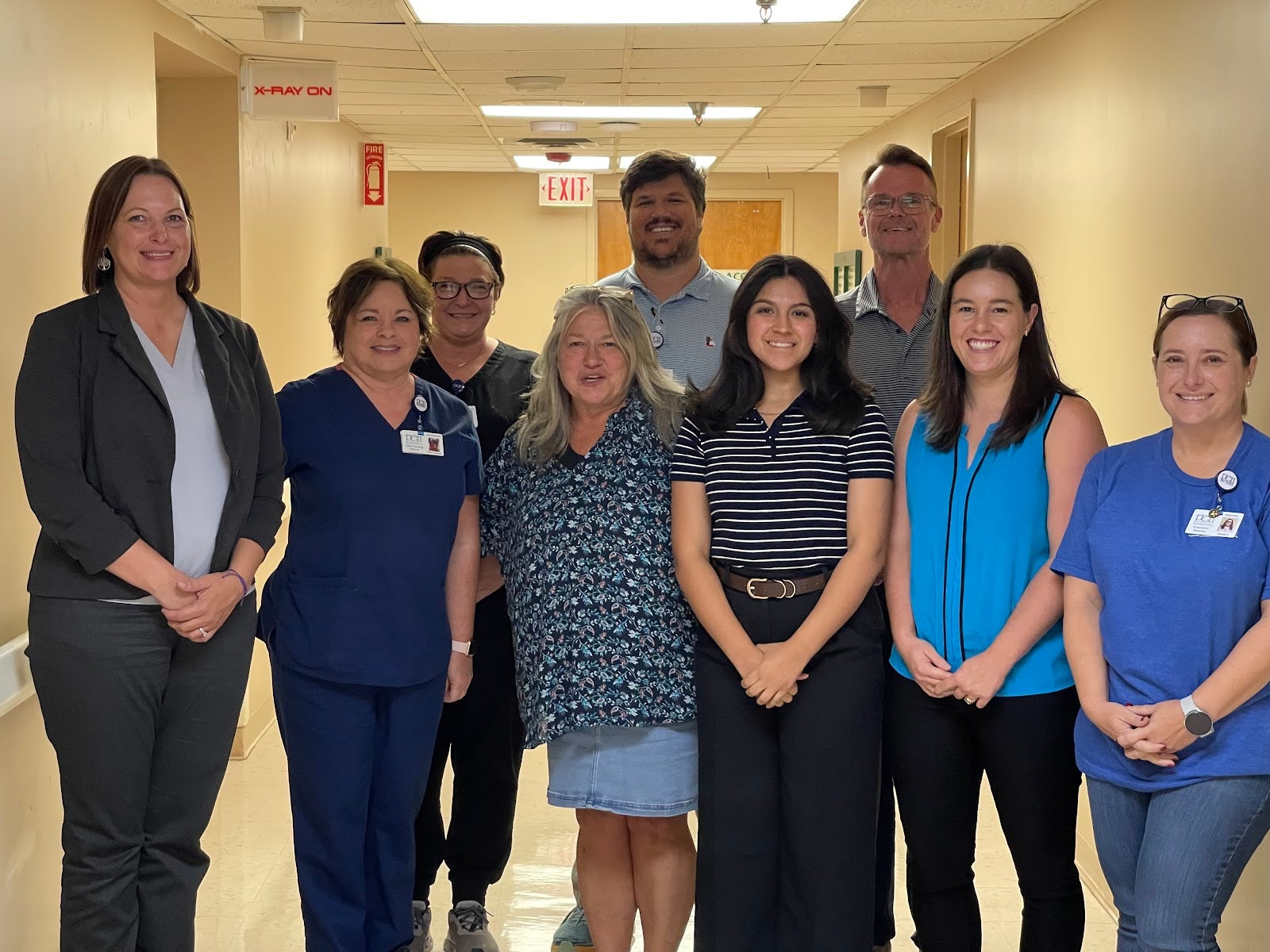
This is a two-year project led by Dr. William Mase and funded by Georgia’s Opioid Crisis Abatement Trust to support the network of 30 critical access hospitals (CAHs) across Georgia. The goal of this project is to help CAHs address the opioid crisis through increasing prescription opioid safety, medications for opioid use disorder and naloxone distribution. The team is conducting a gap analysis of current CAHs strategies to develop tailored and community-specific opioid education, prevention, treatment and referral resources for all participating CAHs.
Recovery Community Centers in Rural Areas
Addressing Unique Challenges to Better Serve Individuals with Opioid Use Disorder
This completed project was led by Drs. Rob Bohler and Ryan Lofaro and was funded by the National Institute on Drug Abuse (R24DA051988) as a pilot research project through Massachusetts General Hospital and Harvard Medical School. The project used a mixed methods approach of interviews with recovery community center (RCC) directors and surveys of RCC clients to increase our understanding of rural RCCs.
The project found that rural RCCs address a range of social determinants of health and may fill gaps in the substance use disorder continuum of care, including harm reduction services, linkage to treatment, and expansion of recovery pathways. The project also found that peer leaders can enhance recovery support services in rural areas through their lived experience representation, though this approach may introduce challenges.